
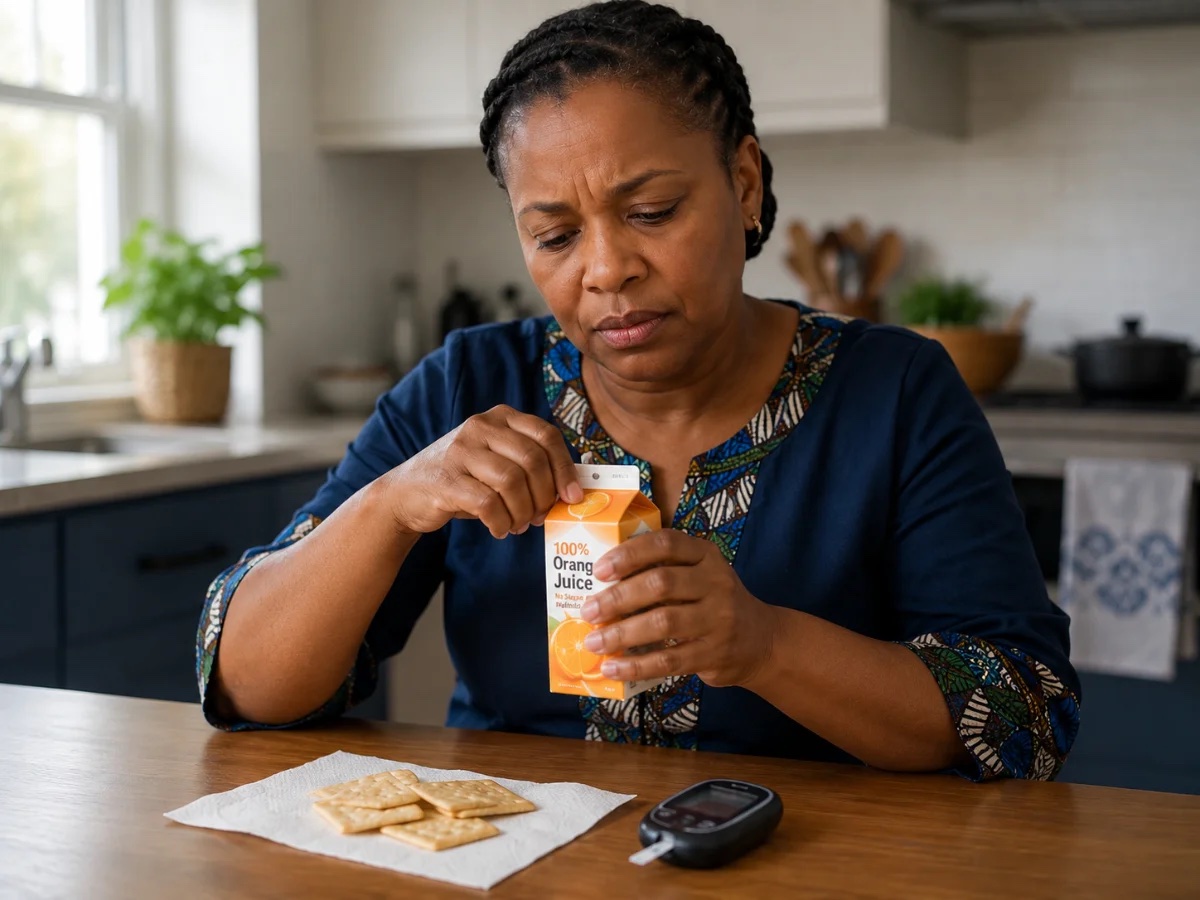
For many people living with diabetes, managing blood sugar is part of everyday life. But sometimes, blood sugar can drop too low, creating a medical emergency that requires quick action.
This condition is known as hypoglycemia, or low blood sugar.
Recognizing the warning signs early and knowing how to respond can help prevent serious complications and, in some cases, save a life.
What Is Hypoglycemia?
Hypoglycemia occurs when the level of glucose (sugar) in the blood falls below normal. Glucose is the body’s main source of energy, especially for the brain. When blood sugar drops too low, the body cannot function properly, and symptoms can develop quickly.
Hypoglycemia most commonly affects people with diabetes who take insulin or certain diabetes medications. However, it can occasionally occur in people without diabetes due to other medical conditions.
What Causes Low Blood Sugar?
Several factors can lead to hypoglycemia, including:
- Taking too much insulin or diabetes medication.
- Skipping or delaying a meal.
- Eating less than usual after taking medication.
- Exercising more than expected without adjusting food intake.
- Drinking alcohol without eating enough food.
Many episodes can be prevented by balancing medication, meals, and physical activity.
Recognizing the Warning Signs
Symptoms often develop suddenly. Early recognition allows treatment before the condition becomes severe.
- Shaking or trembling
- Sweating
- Sudden hunger
- Dizziness or lightheadedness
- Headache
- Fast heartbeat
- Blurred vision
- Difficulty concentrating
- Irritability or unusual mood changes
- Confusion
- Slurred speech
- Difficulty walking
- Loss of coordination
- Seizures
- Loss of consciousness
What Should You Do?
If the person is awake, alert, and able to swallow safely, they should consume a fast-acting source of sugar. Examples include:
- Glucose tablets or glucose gel
- Regular (non-diet) soft drink
- Fruit juice
- Sugar dissolved in water
- Hard candies that contain sugar
After about 15 minutes, blood sugar should be checked if possible. If it remains low or symptoms continue, another fast-acting source of sugar may be needed. Once the person begins to recover, eating a small snack or meal can help maintain their blood sugar level.
- Call your local emergency medical services immediately.
- Do not try to give food or drink by mouth, as this could cause choking.
- If you have been trained and glucagon is available, administer it according to the instructions while waiting for medical help.
Helping Someone Else
If you know a family member, friend, or coworker has diabetes, learning to recognize hypoglycemia can make a real difference.
- Stay calm.
- Ask whether they have diabetes.
- If they are awake, ask whether they have glucose tablets, juice, or another source of sugar.
- Remain with them until they begin to recover or medical help arrives.
Can Hypoglycemia Be Prevented?
While not every episode can be avoided, many can be prevented through careful planning. People living with diabetes should:
- Take medications exactly as prescribed.
- Avoid skipping meals.
- Carry a fast-acting source of sugar when away from home.
- Monitor blood sugar as recommended by their healthcare provider.
- Plan ahead before exercising or traveling.
- Let family members, friends, or coworkers know what to do during an emergency.
Small habits can help prevent bigger problems.
Why Awareness Matters
Diabetes affects millions of people around the world, including many families across Africa and the African diaspora. Because hypoglycemia can develop quickly, awareness should not be limited to healthcare professionals or people living with diabetes.
Parents, teachers, employers, religious leaders, and community members all have a role to play. The more people who recognize the warning signs, the more prepared our communities become to respond when someone needs help.
The Bottom Line
Hypoglycemia is a common but potentially serious medical emergency. Fortunately, it is also one that people can learn to recognize and respond to with confidence.
Understanding the warning signs, acting quickly, and knowing when to seek emergency medical care can help prevent complications and protect the health of those living with diabetes.